


About TCF
The Citizens Foundation (TCF) is a professionally managed, non-profit organisation set up in 1995 by a group of citizens who wanted to bring about positive social change through education. 29 years later, TCF is now one of Pakistan’s leading organisations in the field of education for the less privileged.
Vision
Positive Change
To remove barriers of class and privilege to make the citizens of Pakistan agents of positive change.
Mission
Education / Future
Through the power of quality education enabling moral, spiritual and intellectual enlightenment.
Values
Sincerity
Service
Beauty
Positive Conduct

Years
29

School Units
1,921

Students
286,000
Our Model

Catering to the most needy

Embedding schools in the heart of urban slums & rural communities

Purpose-built schools

All female faculty & a 50% female student gender ratio

Ensuring a high quality of education

Holistic student development & alumni support

Uplifting the entire community

Professional Management
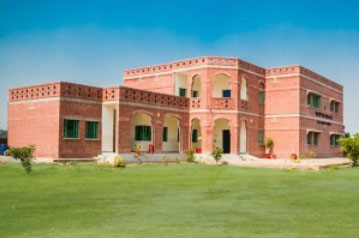
TCF Schools
TCF embeds its purpose-built schools in the heart of
urban slums and rural communities


TCF Education Programmes
Our education programme is designed to deliver
superior learning outcomes

Customized textbooks

In-depth teacher training

Quality assurance
TCF Volunteer and Alumni Programmes
Our volunteer and alumni programmes aim for holistic
development of our students

Rahbar Programme is designed to mentor & empower TCF students

Alumni Development Programme prepares TCF alumni for admission in some of the finest universities

We conduct career counselling sessions with our graduating students to help them attain their academic & professional goals

Summer Camp engages and develops Primary school students through games & other drama-based activities
TCF Community Programmes
Our community programmes are focused on developing thriving communities around our schools

Our Aagahi Programme imparts functional literacy skills to women in school communities

We install water purification plants to provide clean water

We are providing vocational training to expand economic opportunities for women
Join the TCF Movement!
Explore other ways to donate to our cause